













As the global e-bike market continues to expand, e-bike displays are evolving from simple information panels into intelligent control and interaction centers. Today, displays play a critical role in improving riding experience, safety, and product differentiation for brands worldwide.
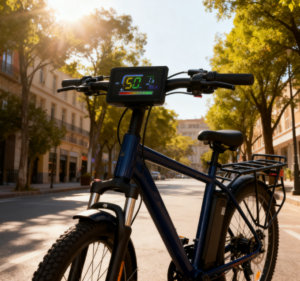
In the early stages of e-bike development, displays were mainly used to show basic data such as speed, battery level, and mileage. However, as consumer expectations increase, riders now demand clearer interfaces, richer functions, and better connectivity. This shift has accelerated the adoption of color screens, high-resolution displays, and customizable user interfaces across global markets.

One of the most significant global trends is smart connectivity. Modern e-bike displays increasingly support Bluetooth or wireless communication, allowing them to connect seamlessly with mobile applications. Through this connection, riders can access navigation, riding statistics, system diagnostics, and firmware updates. For manufacturers, displays are becoming a key gateway to digital ecosystems and long-term customer engagement.
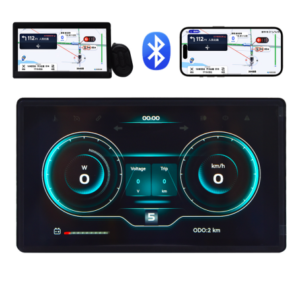
Regional differences also influence display development. In Europe, regulatory compliance and accurate data presentation are especially important, leading to a strong demand for reliable and standardized display solutions. In the United States, outdoor and performance-oriented riders favor displays that integrate GPS, fitness tracking, and route data. Meanwhile, Asian markets are driving rapid innovation in smart features while maintaining cost efficiency, accelerating large-scale adoption.
Safety has become another essential focus. Advanced displays now support anti-theft functions, including real-time location tracking, motion alerts, and remote locking. These features not only protect the vehicle but also enhance user confidence, especially in urban environments.